All Departments
Search for products, brands, and more
Log in
Orders
Wish list
Cart
All Departments
Search for products, brands, and more
Search for products, brands, and more
This product is brand new and includes the manufacturer's warranty, so you can buy with confidence.
Return requests must be submitted within 14 days of delivery and approved by our RMA department before the item is shipped back. Non-defective returns may be subject to a minimum 25% restocking fee and return shipping charges. Unauthorized returns are not eligible for credit or refund. Read the full return policy.
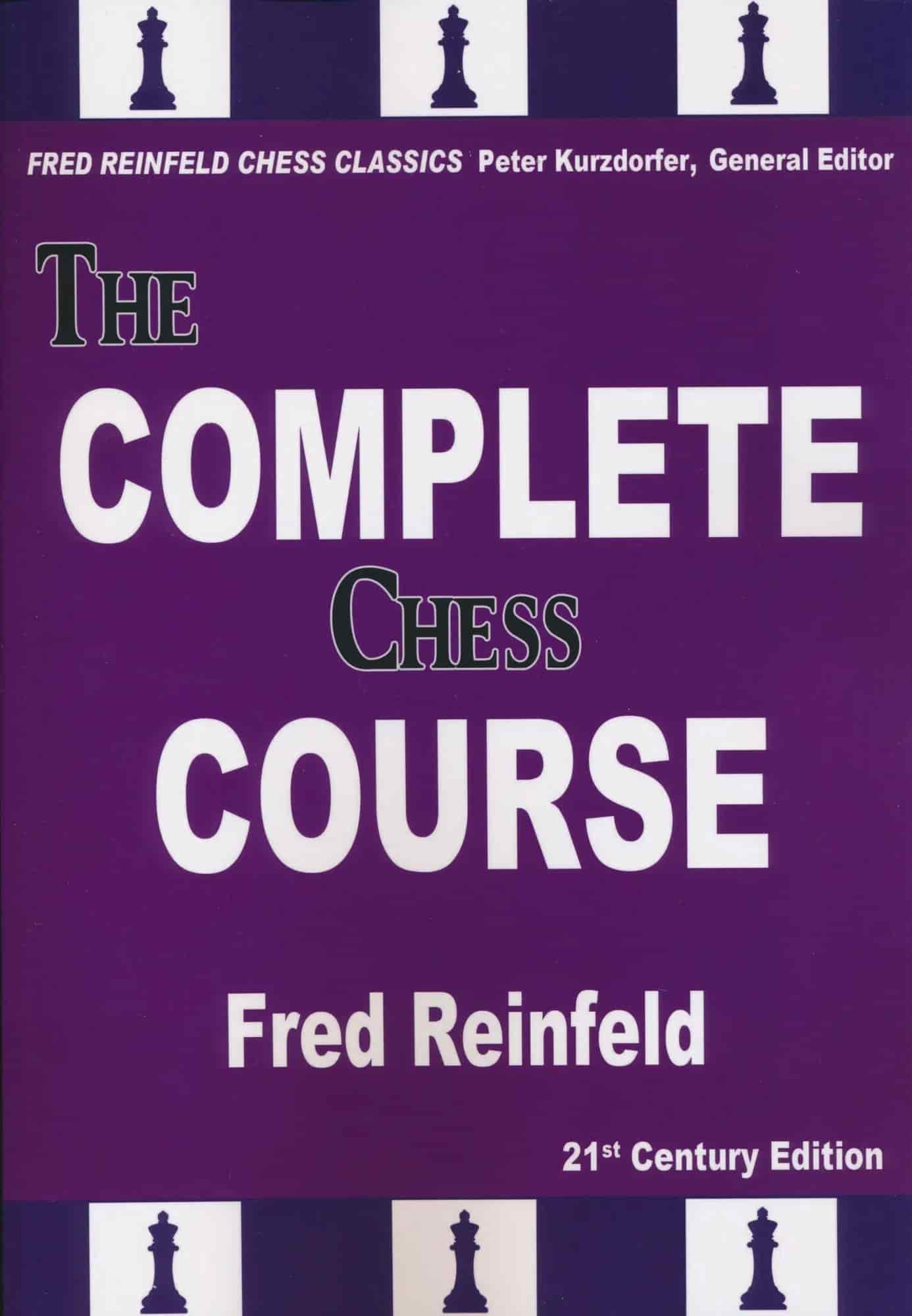
Generations of chess players have grown up on Fred Reinfeld’s books. He has a way of reducing the most intricate, complicated combinations to their basic components. After Reinfeld explains a combination, it makes sense. Reinfeld not only taught us how to play the game well, but also implanted in us his enthusiastic passion for learning. His books are peppered throughout with words and phrases in italics to emphasize ideas. Moves are punctuated with single, double, and even triple exclamation marks and question marks to span the entire spectrum of emotions the moves conjure up.
The Complete Chess Course is filled with advice on how to play better chess, regardless of how strong or weak a player you may be. It begins with the most fundamental ideas, reviewing the basic moves of the pieces and pawns, and continues with fantastic examples from the very best players. We are taken through a full course of chess strategy and tactics; he introduces us to the nine bad moves and how to refute them as well as how to avoid making them. We learn how to handle the white pieces and how to fight back with the black pieces. We get a much-needed lesson on how to win the game when we have gained a big advantage, and another, equally important lesson on how to put up the stiffest resistance when in an inferior position. We get treated to a full spectrum of the many ways to make the most of whatever position we get in one of the best chapters of any book I’ve seen: Book Six on How to Fight Back.
Fred guides us through some master games, revealing the secrets of their struggles to overcome strong resistance. These secrets include how to meet the crisis; how to simplify; and the point of no return. Finally, we are treated to an introduction to the major openings, including what to strive for in gambits, classical structures, hypermodern structures, as well as off beat lines. Hint: play to control the center and develop your pieces. Absorb the material included in this volume and you will play chess at a fairly high level. Or read through it all and enjoy Fred’s masterful explanations. In either case, you will be entranced by his enthusiasm for the intricate relationships the pieces experience in the context of a game or even a standout plan or combination.