
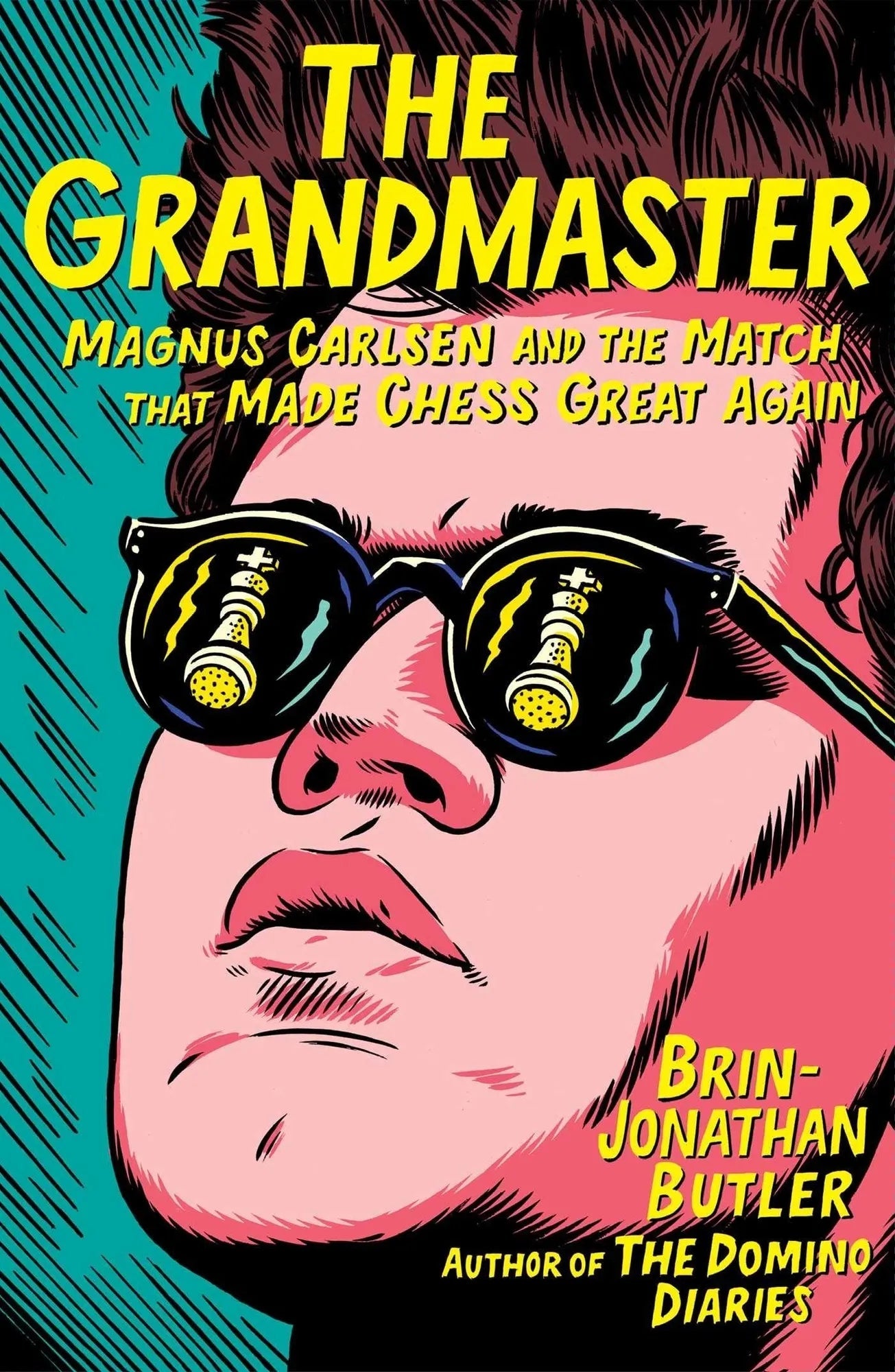
The Grandmaster is a paperback by Simon And Schuster about the 2016 World Chess Championship between Magnus Carlsen and Sergey Karjakin in New York City.
Set during the first week of November 2016 at South Street Seaport, the book covers the championship’s sudden-death finish, the match’s geopolitical backdrop, and Carlsen’s successful title defense. Author Brin-Jonathan Butler had unique access to the two-and-half-week tournament and watched every move.
It is a focused sports and chess story about one of the game’s most closely watched modern title matches, with attention to the people, pressure, and context around it. Browse more in Uncategorised or see another item like 5 Dvd Set Bruce Lee Complete Movie Collection.
This product is sold brand new. A manufacturer warranty applies only when the manufacturer provides one for this item.
Return requests must be submitted within 14 days of delivery and approved by our RMA department before the item is shipped back. Non-defective returns may be subject to a minimum 25% restocking fee and return shipping charges. Unauthorized returns are not eligible for credit or refund. Read the full return policy.
This product is sold brand new. A manufacturer warranty applies only when the manufacturer provides one for this item.
Return requests must be submitted within 14 days of delivery and approved by our RMA department before the item is shipped back. Non-defective returns may be subject to a minimum 25% restocking fee and return shipping charges. Unauthorized returns are not eligible for credit or refund. Read the full return policy.