
This product is sold brand new. A manufacturer warranty applies only when the manufacturer provides one for this item.
Return requests must be submitted within 14 days of delivery and approved by our RMA department before the item is shipped back. Non-defective returns may be subject to a minimum 25% restocking fee and return shipping charges. Unauthorized returns are not eligible for credit or refund. Read the full return policy.
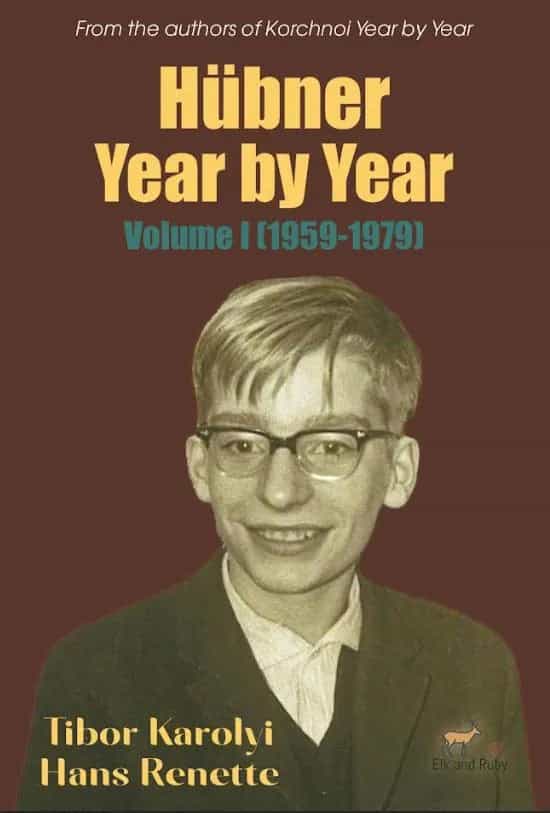
hüBner Year By Year: Volume I (1959-1979) is a published chess book from The House Of Staunton focused on Robert Hübner’s early career, from child prodigy to top-level international contender.
This first volume covers 1959 to 1979 and includes 159 games and samples analysed by Tibor Karolyi, with biography by Hans Renette. It follows Hübner’s rise through the 1970-1971 world championship cycle, his gold medal on first board at the 1972 Skopje Olympiad, and his shared first place in the 1979 Rio de Janeiro Interzonal.
The book examines Hübner’s resilience in endgames, his play under pressure, and his comfort with both 1.e4 and 1.d4. Opponents analysed include Karpov, Fischer, Spassky, Petrosian, Tal, and Smyslov, along with many other elite players.
For more chess books, browse Uncategorised. You may also like the 5 Dvd Set Bruce Lee Complete Movie Collection.
This product is brand new and includes the manufacturer's warranty, so you can buy with confidence.
This item has a product-specific return policy that overrides our standard return policy. The terms below apply to this item.
ALL SALES FINAL! NO RETURNS OR EXCHANGES!